Let's break down why aluminum wiring was used in the first place, the dangers it brings today, and how homeowners can protect their property.
A Quick History of Aluminum Wiring
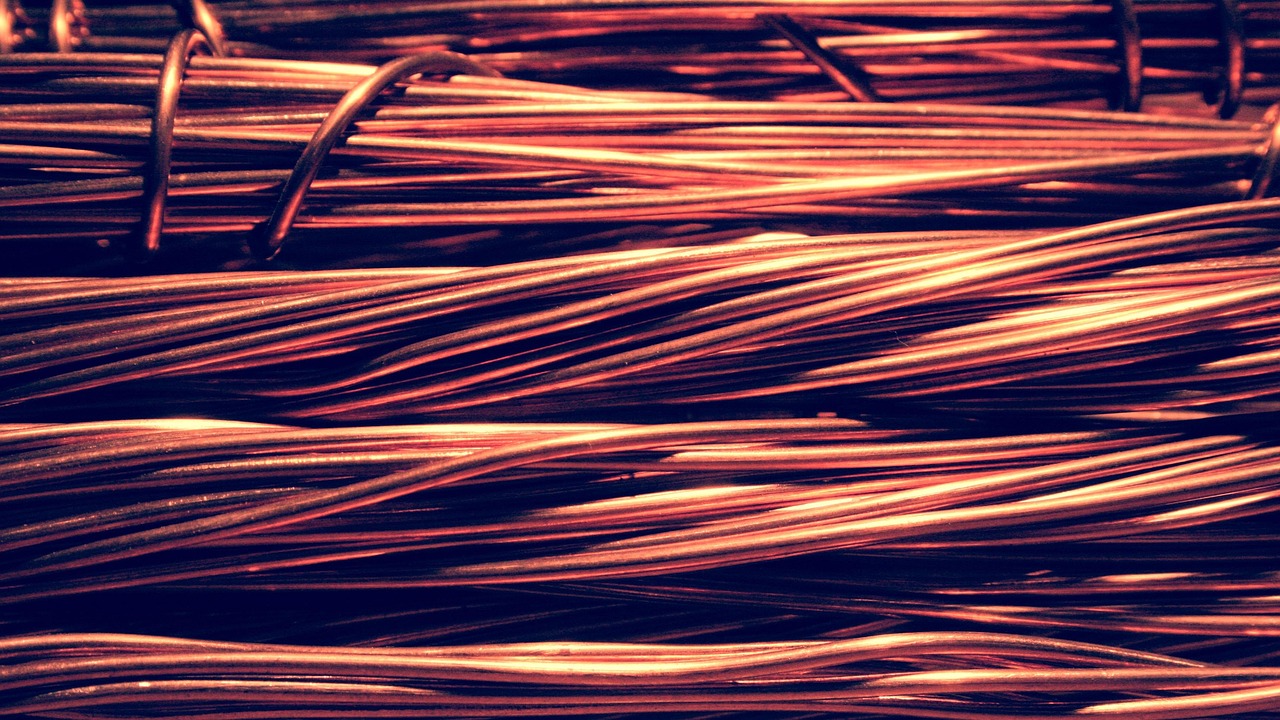
In the mid-1960s, the price of copper skyrocketed. Builders and electricians needed a cheaper alternative for residential wiring, and aluminum seemed like the perfect solution. It was lightweight, conductive, and much less expensive than copper.
From about 1965 to 1973, aluminum wiring was commonly installed in many homes across the U.S. However, over time, electricians and homeowners began to notice a troubling pattern: houses with aluminum wiring were experiencing more electrical failures, overheating, and in some cases, fires.
Why Aluminum Wiring Is Dangerous
At first glance, aluminum might not seem so different from copper—it carries electricity, after all. But the material itself has some weaknesses that make it unsafe for long-term use in homes:
1. Expansion and Contraction
Aluminum expands more than copper when it heats up and contracts when it cools down. Over time, this movement can loosen connections at outlets, switches, and circuit breakers, creating gaps that lead to sparking and overheating.
2. Oxidation
Aluminum reacts more quickly with oxygen than copper does, forming an oxide layer. This layer increases resistance, which means the wire has to work harder to carry electricity—leading to excess heat and potential fire hazards.
3. Softness
Aluminum is softer than copper. When tightened under screws or connectors, it can get crushed or misshapen. Loose or damaged connections are a common source of electrical issues.
4. Incompatibility with Devices
Many modern outlets, switches, and fixtures are designed with copper wiring in mind. Using aluminum wiring with them can lead to poor connections and overheating.
Warning Signs of Aluminum Wiring Issues
If your home has aluminum wiring, you may notice:
- Flickering lights
- Warm or discolored outlets and switches
- Frequently tripped breakers
- The smell of burning plastic around outlets
Even if you don't see these signs, aluminum wiring can still be a hidden danger.
How to Fix Aluminum Wiring in Your Home
The good news is—you don't always have to replace all of your home's wiring to make it safe. There are several proven solutions:
- Rewiring with Copper – The most permanent fix. This involves replacing all aluminum wiring with copper wiring. While it can be costly, it provides long-term safety and peace of mind.
- COPALUM Crimp Connectors – A specialized repair where aluminum wires are joined to short copper "pigtails" using a tool that creates a permanent, safe connection. This method is recognized by the U.S. Consumer Product Safety Commission (CPSC).
- AlumiConn Connectors – Another approved method where specially designed connectors safely join aluminum and copper wires together.
Each home is different, so the right solution depends on the size of your home, the extent of aluminum wiring, and your budget.
Protect Your Home and Family
If your house was built between the mid-1960s and early 1970s, it's worth having an electrician inspect your wiring. At NAVI Electric, we specialize in identifying and repairing aluminum wiring issues to bring homes up to modern safety standards. Contact us today at (425) 737-1905 to schedule a wiring inspection and keep your home safe.