Homeowners hear this phrase constantly, but rarely does anyone explain what "up to code" actually means, who decides it, or why something that worked fine for years can suddenly be considered a problem.
Let's break it down in plain English.
What Is "Code," Anyway?
When people talk about electrical "code," they're usually referring to the National Electrical Code (NEC).
The NEC is a nationwide safety standard that:
- Defines minimum safety requirements
- Is updated every 3 years
- Is adopted (and sometimes modified) by states and local jurisdictions
In Washington State, the NEC is enforced through state and local authorities having jurisdiction (AHJs), such as L&I and local building departments.
Important: Code is about safety, not convenience or aesthetics.
"Up to Code" Does Not Mean "Brand New"
One of the biggest misconceptions is that everything in your home must meet the latest code.
That's not true.
If your home was built legally and passed inspection at the time, it is usually considered code-compliant for that era. This is often referred to as "grandfathered."
However…
When Does Something Need to Be Brought Up to Code?
Electrical work typically must meet current code when:
1. New Work Is Added
Any new circuits, outlets, panels, or equipment must comply with today's code—not the code from 1995.
2. A System Is Modified
Upgrading a panel, adding EV charging, installing a generator, or remodeling often triggers code upgrades.
3. A Safety Hazard Is Identified
Even if something is old, inspectors or electricians may require correction if it poses a real danger (fire risk, shock hazard, etc.).
4. A Permit Is Pulled
Permitted work is inspected against current adopted code, not "what used to be acceptable."
Common Examples Homeowners Run Into
Here are real-world situations where homeowners hear "this isn't up to code":
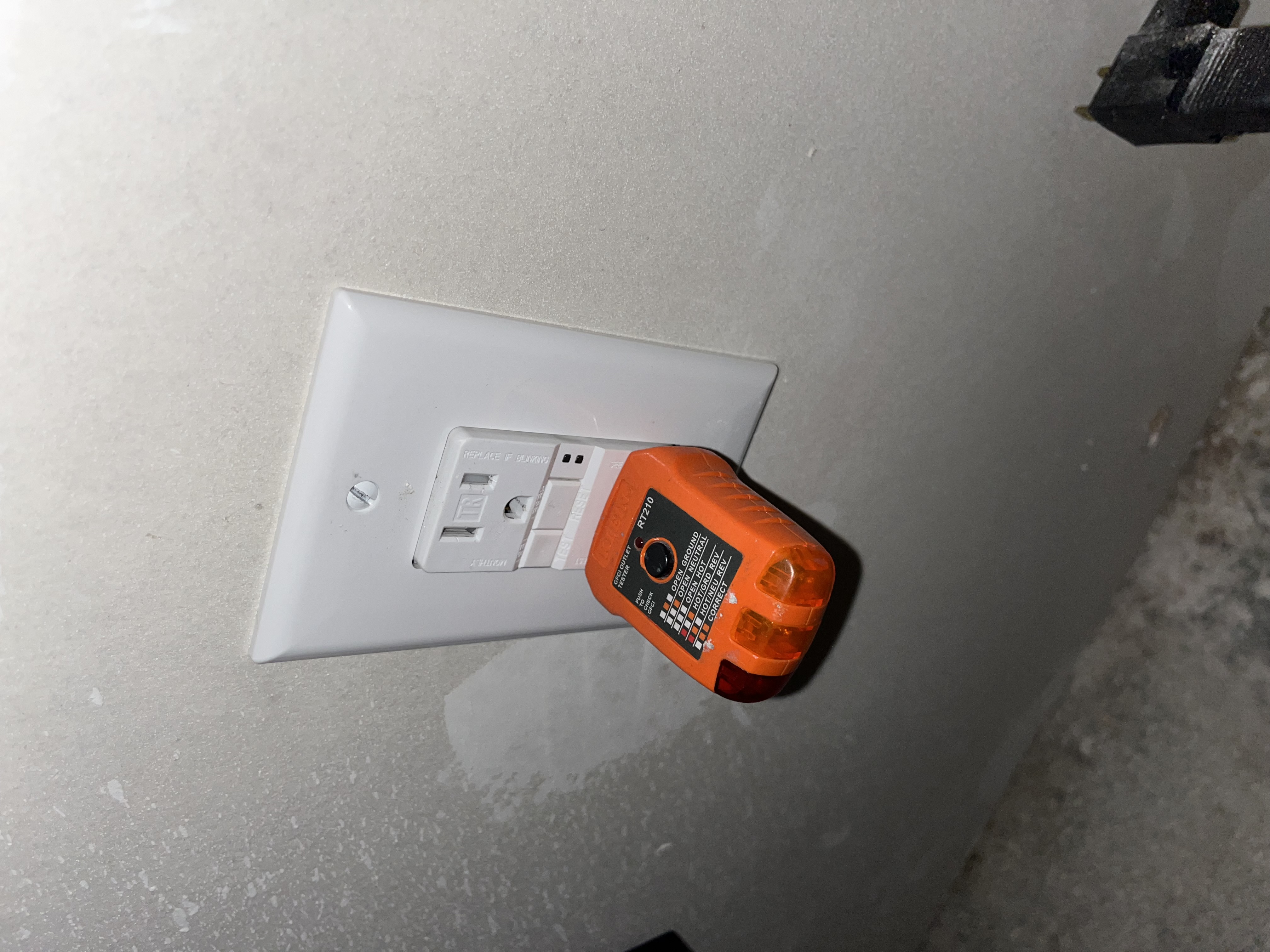
- No GFCI protection in kitchens, bathrooms, garages, or outdoors
- No AFCI protection in living spaces
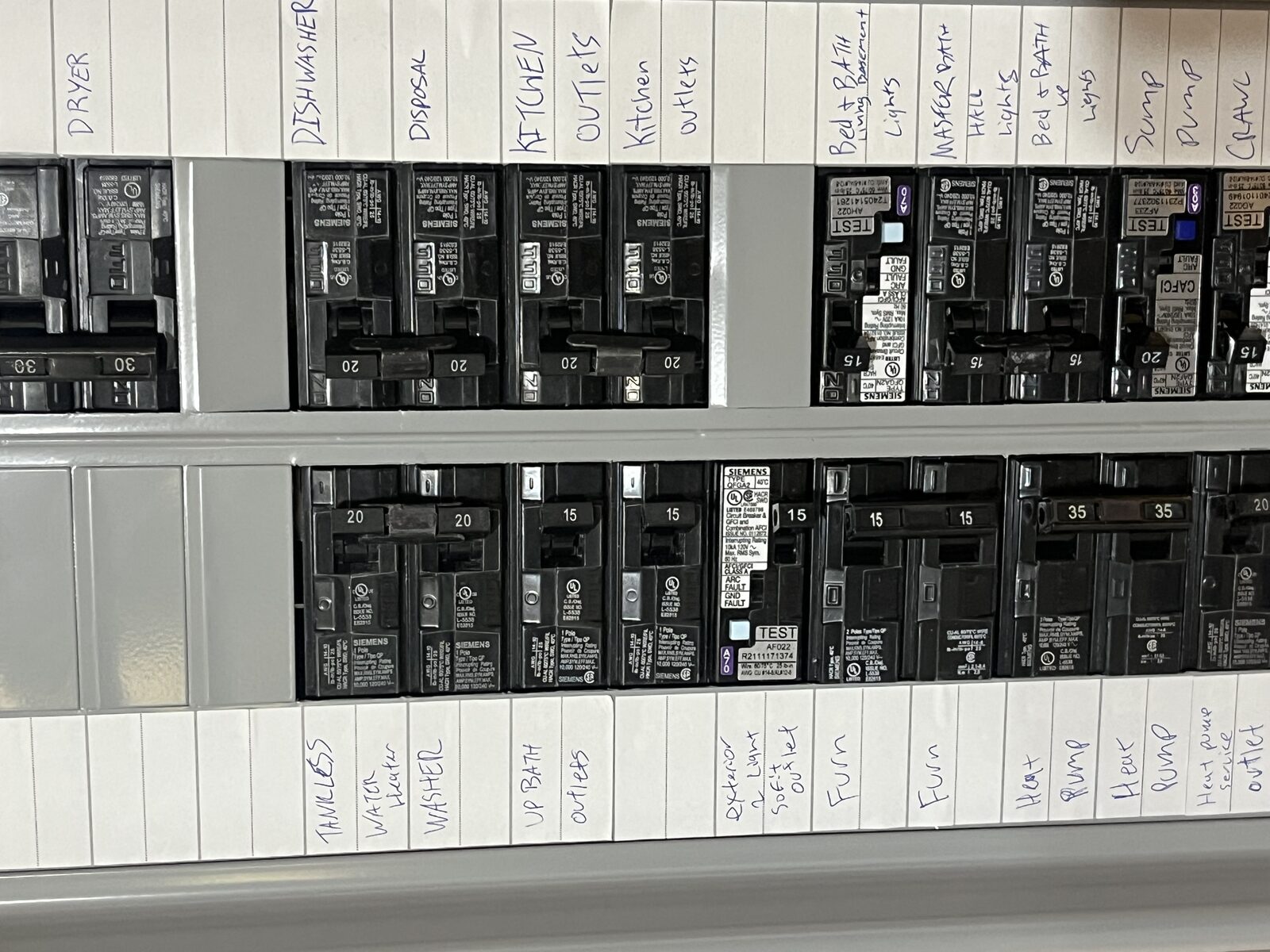
- Double-tapped breakers
- Overcrowded or undersized electrical panels
- Missing bonding or grounding
- Improper generator or transfer switch installations
- Non-rated junction boxes or exposed splices
Many of these were once allowed, but no longer meet modern safety standards.
Why Does Electrical Code Change?
Because we learn more over time.
Electrical codes evolve based on:
- Fire investigation data
- Injury and fatality reports
- New technology (EVs, solar, generators, smart homes)
- Improved materials and safety devices
If a rule changes, it's usually because something caused injuries or fires often enough that it needed to be addressed.
Is "Up to Code" the Same as "Best Practice"?
Not always.
Code represents the minimum acceptable standard. A professional electrician may recommend upgrades that go beyond code because they:
- Improve reliability
- Increase safety margins
- Prepare your home for future loads
- Prevent nuisance issues
This is where experience matters.
The Bottom Line
"Up to code" means meeting the minimum safety standards required today for the specific work being done.
It does not automatically mean:
- Your whole house must be upgraded
- You're in trouble
- Someone did bad work in the past
It means safety expectations have evolved.
Need clarity on something you've been told "isn't up to code"?
At NAVI Electric, we explain what applies, what doesn't, and help you separate required corrections from optional improvements.
We're happy to explain it—plain and simple.