The honest answer is: it depends on the generator size, your home's electrical load, and how it's connected. Below is a clear breakdown of what most home generators can power, what they usually can't, and why load calculations matter more than most people realize.
Common Appliances a Home Generator Can Power
Most homeowners want a generator to cover essential systems, not the entire house. These are the most common priorities.
Refrigerator & Freezer
- Keeps food from spoiling during outages
- Most modern refrigerators use 600–1,200 watts while running
- Startup surge matters (generators must handle the initial spike)
Almost all generators are sized with this in mind
Furnace or Heating System
- Gas furnaces only need power for the blower and controls
- Electric furnaces or heat pumps require significantly more power
This is one of the biggest variables in generator sizing. Not all heating systems can be supported without a larger generator.
Sump Pump
- One of the most critical items during storms
- Typical sump pumps use 800–1,500 watts, with higher startup demand
Very common generator load
Well Pump
- Higher power demand than many people expect
- Often 2,000–4,000 watts, plus startup surge
Requires careful sizing. One of the main reasons load calculations are important.
Lights, Outlets & Small Electronics
- Interior lighting, Phone chargers, Wi-Fi router, TV
Easy to support when planned correctly
What Most Home Generators Won't Power
This is where expectations need to be realistic.
- Central Air Conditioning: Very high startup load. Often requires a large standby generator.
- Electric Water Heaters: Extremely high continuous draw. Rarely included unless generator is specifically sized for it.
- Electric Ranges, Ovens & Dryers: These are among the highest-demand appliances in a home. Typically excluded from generator-backed circuits.
Why Load Calculations Matter (A Lot)
This is the part most DIY setups get wrong.
A load calculation determines:
- How much power your home actually needs
- Which appliances can run at the same time
- Whether your generator can handle startup surges
Without this, generators can overload and shut down, appliances may not start, or equipment can be damaged.
Bigger Isn't Always Better
Oversizing a generator can increase installation cost, waste fuel, and reduce efficiency. Proper load planning ensures safe operation and cost-effective sizing.
Final Thoughts
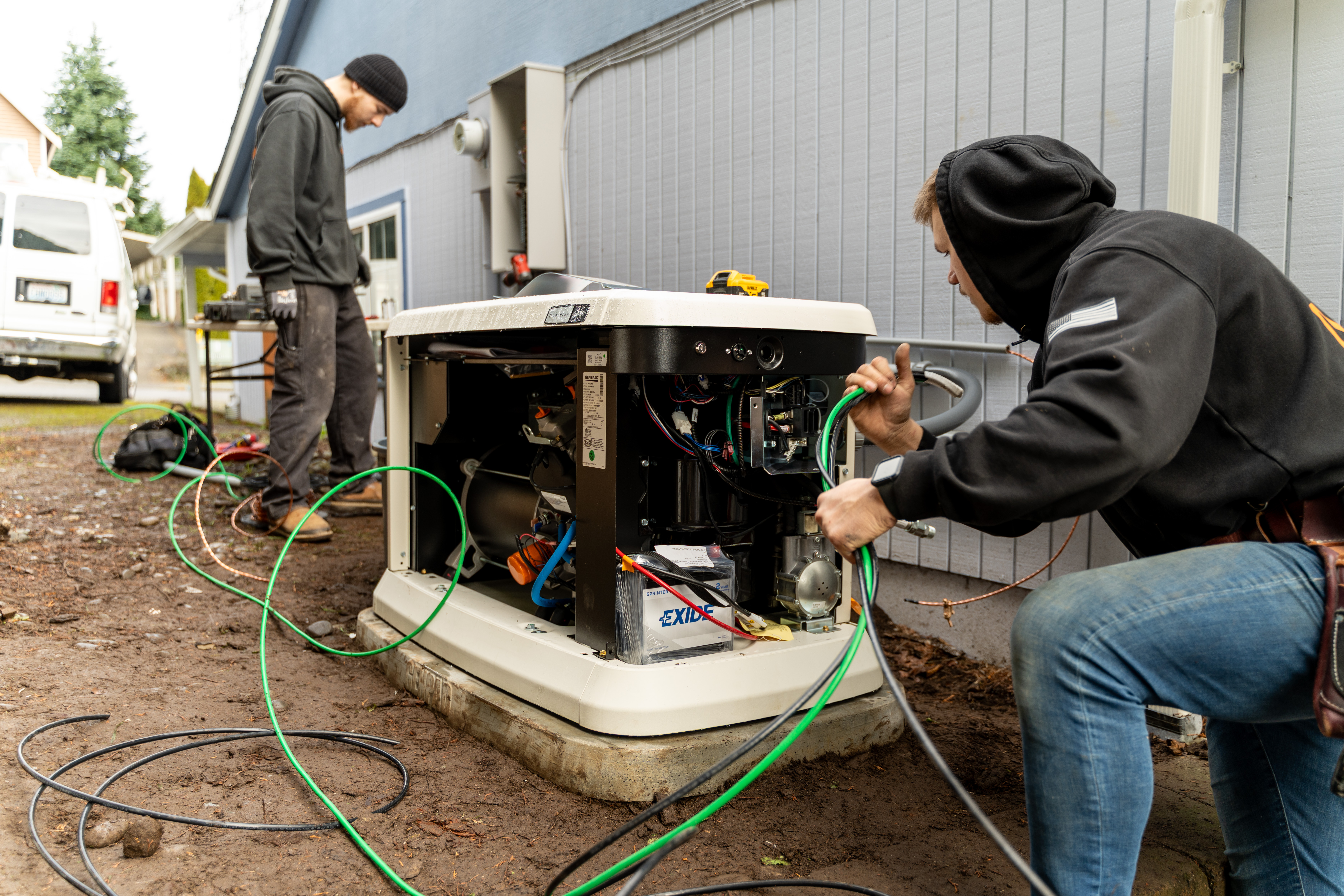
A home generator can be a lifesaver during outages—but only if it's properly sized and professionally installed. The goal isn't to power everything; it's to power what matters most, safely and reliably.
If you're unsure what your home actually needs, a professional load calculation can remove the guesswork and prevent expensive mistakes.