Here's what every homeowner should know about connecting a generator safely.
1. Choose the Right Type of Generator
Before anything else, make sure you have the appropriate generator for your needs:
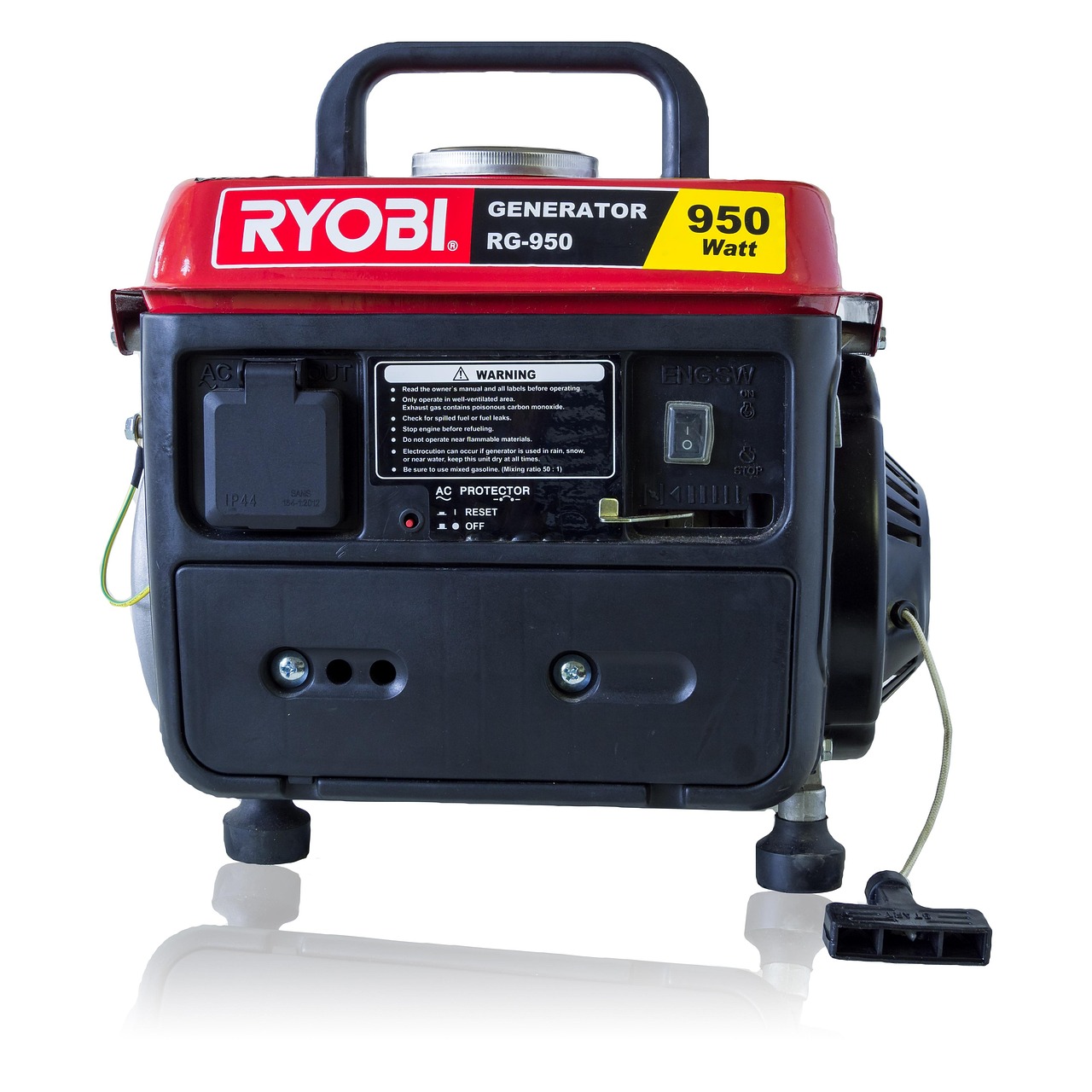
- Portable Generator – Runs on gasoline or propane and is mobile. Great for powering a few circuits or appliances.
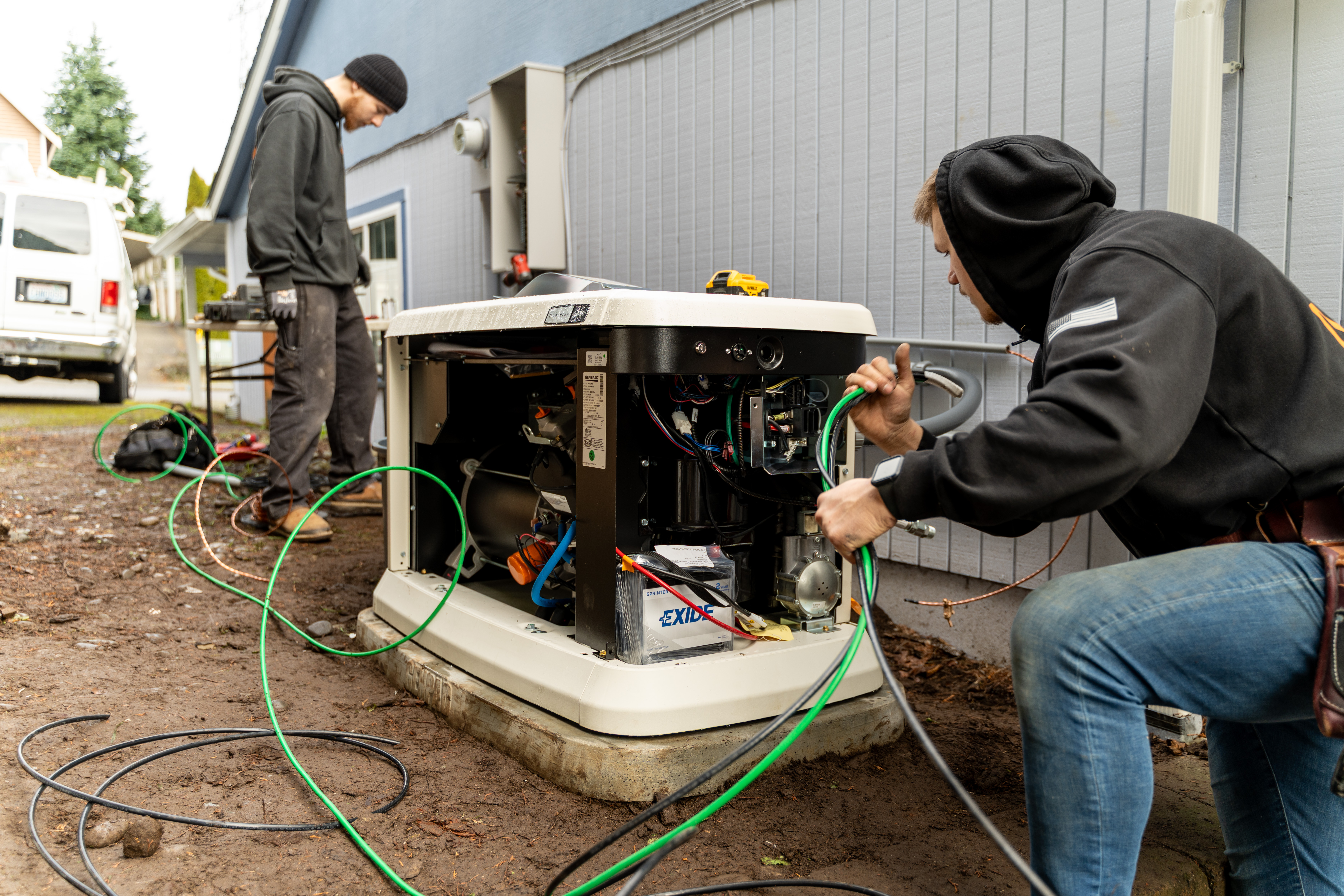
- Standby Generator – Permanently installed and hardwired to your home. Can power your entire home automatically during an outage.
2. Never Plug a Generator Directly into a Wall Outlet
This is called "backfeeding" and it's extremely dangerous. Backfeeding can:
- Electrocute utility workers repairing power lines
- Damage your home's electrical system
- Void insurance coverage if an accident occurs
Instead, use one of the safe connection methods below.
3. Use a Transfer Switch
A transfer switch is the safest and most effective way to connect a generator to your home. It safely isolates your generator from the utility lines and allows you to power selected circuits without risk.
Manual Transfer Switch
- Requires you to flip a switch when the generator is running
- Lets you select which circuits to power (e.g., refrigerator, lights, furnace)
- Pros: Lower cost, reliable, simple
- Cons: Must be activated manually
Automatic Transfer Switch (ATS)
- Detects a power outage automatically and starts your standby generator
- Switches your home's circuits to generator power instantly
- Returns to utility power automatically when the grid is restored
- Pros: Hands-free, ideal for whole-home coverage, great for medical equipment or home offices
- Cons: Higher upfront cost, requires professional installation
Why a Transfer Switch Is Important
- Safety – Prevents dangerous backfeeding
- Appliance Protection – Avoids power surges that can damage sensitive electronics
- Code Compliance – Often required by local building codes
- Convenience – Lets you control exactly which circuits get powered
Installation Tip: Always hire a licensed electrician for transfer switch installation. Ensure the switch is sized for your generator and home circuits, and label circuits clearly for quick operation during outages.
4. Keep Your Generator Outside and Well-Ventilated
Never run a generator inside your home, garage, or basement. Generators produce carbon monoxide, which is deadly.
- Always place the generator at least 20 feet from your home
- Keep it on a dry, stable surface
- Avoid running it in enclosed or partially enclosed areas
5. Use Heavy-Duty, Outdoor-Rated Extension Cords
If you're using a portable generator to power appliances directly:
- Choose cords rated for the wattage of your appliances
- Make sure cords are outdoor-rated and free of cuts or damage
- Plug appliances directly into the generator—never into wall outlets
6. Turn Off Appliances Before Connecting
To prevent surges:
- Turn off major appliances before connecting the generator
- Start the generator first, then turn on appliances one at a time
7. Follow Manufacturer Instructions and Local Codes
Every generator comes with a user manual—read it! Also check local building codes for generator installation requirements. Standby generators almost always require professional installation.
Final Thoughts
Connecting a generator safely protects your family, your appliances, and utility workers. While a portable generator can be useful in emergencies, nothing beats the safety, convenience, and reliability of a professionally installed standby generator with a transfer switch.
Pro Tip: Investing in a transfer switch is just as important as the generator itself—it's the key to safe, efficient backup power.
Need Help with Generator Installation?
At NAVI Electric, we specialize in generator installation, transfer switches, and maintenance. Contact us today to learn how to protect your home and family with safe, reliable backup power. Call (425) 737-1905 or visit our site to schedule a free consultation.