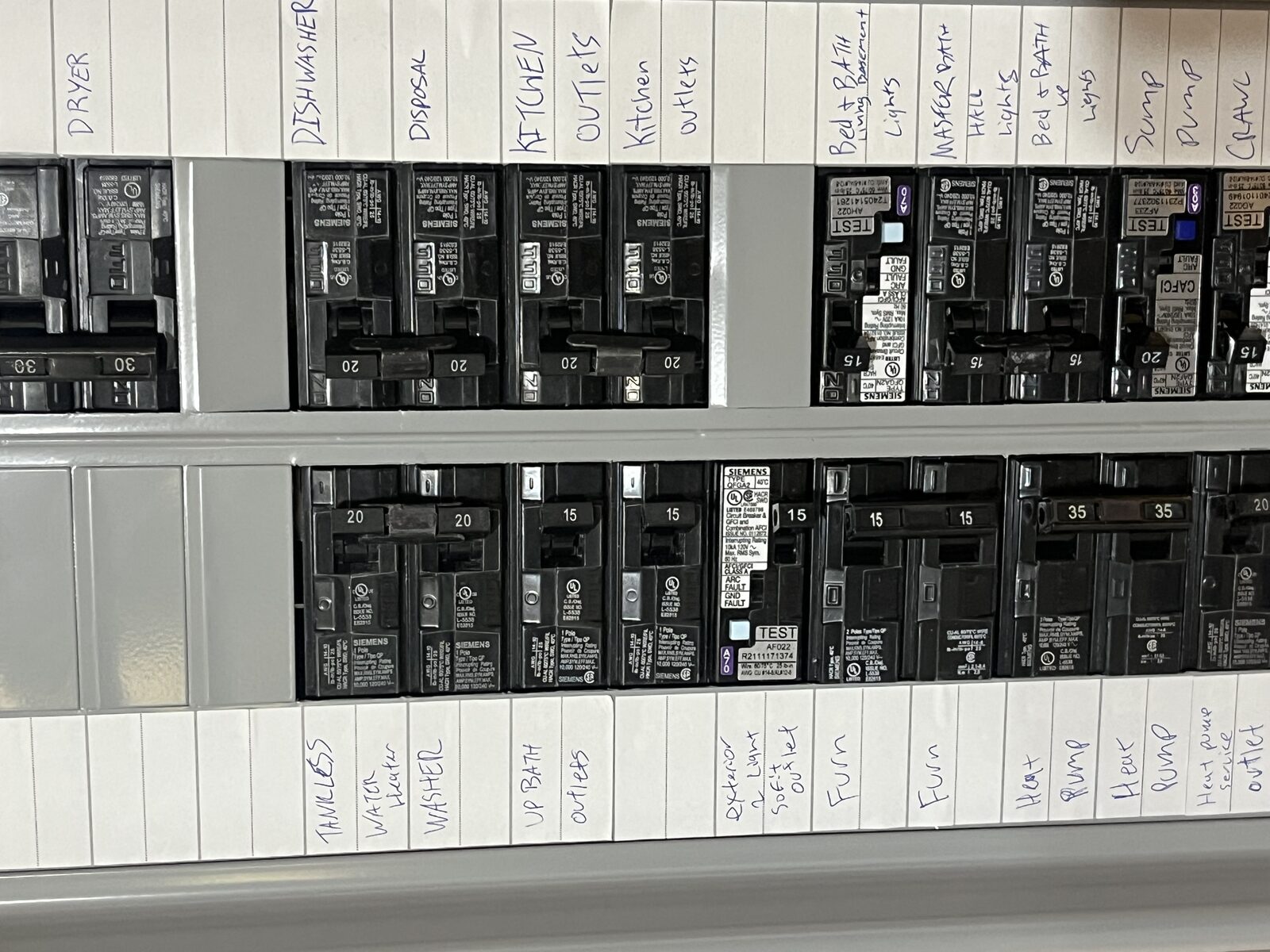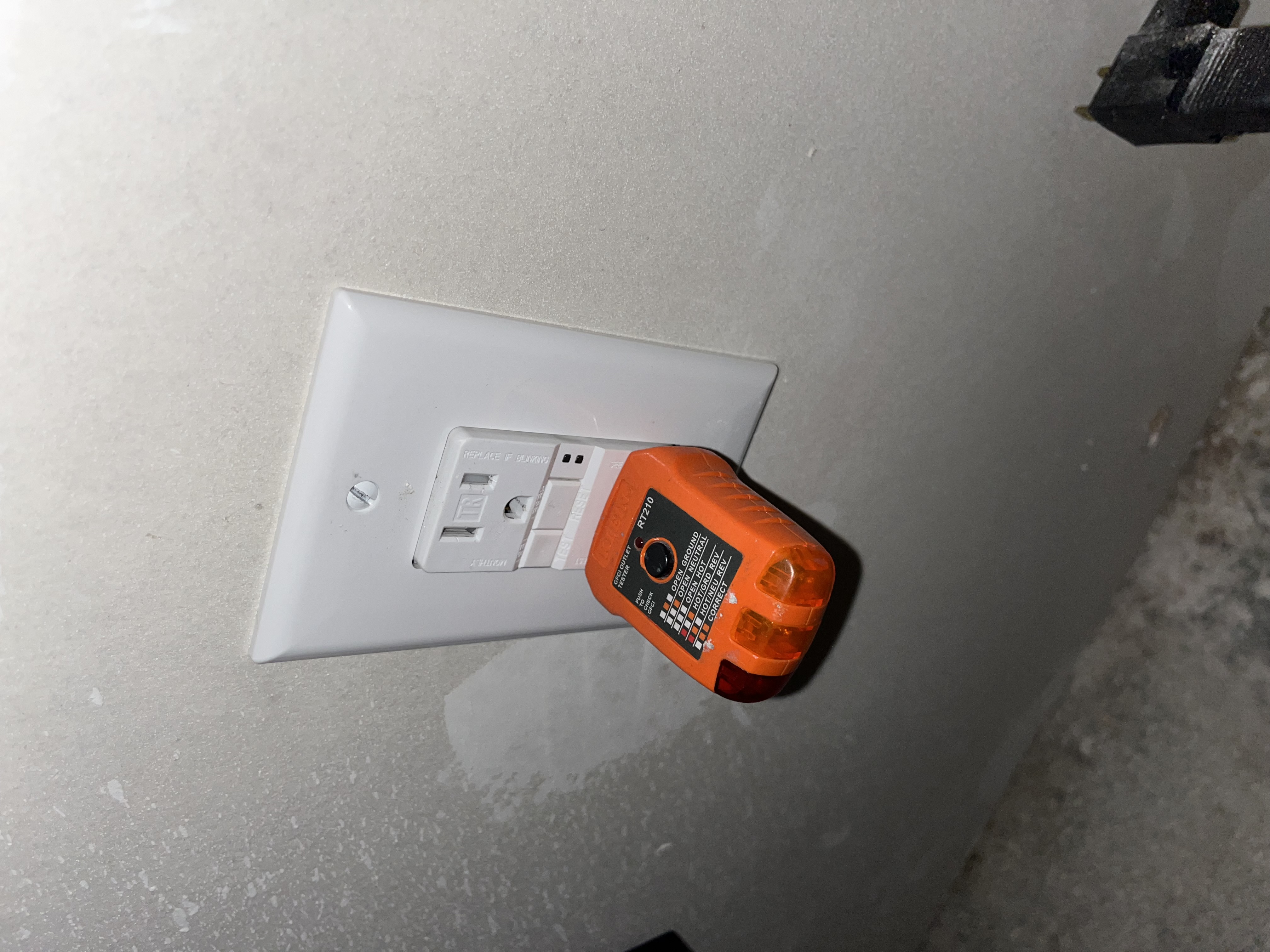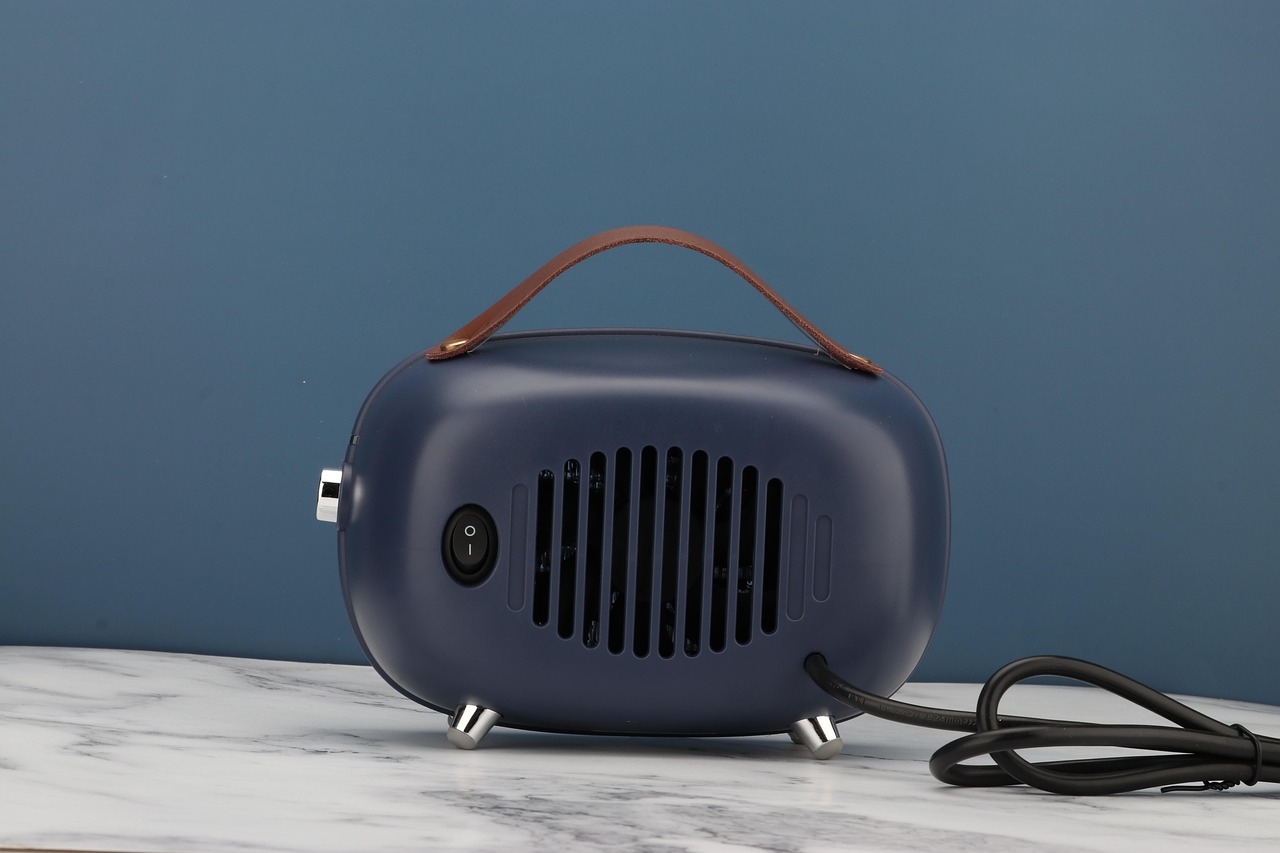
Here's what you need to know before relying on one.
Space Heaters Pull a LOT of Power
Most portable space heaters draw 1,500 watts, which can max out an entire 15-amp circuit by themselves.
This means:
- They can't share a circuit with TVs, microwaves, vacuums, or other large loads
- Running two heaters on the same circuit = guaranteed breaker trip
- Old wiring or loose connections can overheat behind the walls
Permanent Heating Sources Are Designed for Continuous Load
Wall heaters, furnace systems, and baseboard heaters have dedicated circuits and are built for long run-times. Space heaters are temporary tools, not meant to replace real heating.
Extension Cords + Space Heaters = Fire Risk
These devices pull too many amps for most extension cords. Even "heavy-duty" cords can overheat.
Always plug space heaters directly into a wall outlet (and ideally, their own circuit).
If Your Heater Trips the Breaker, That's a Warning
It's not the circuit being "annoying." It's the circuit telling you: "I'm overloaded. Something could overheat."
If the breaker didn't trip, the wires could overheat—which is worse.
What a Dedicated Circuit Fixes
A dedicated circuit:
- Gives the heater its own safe electrical pathway
- Prevents overheated wires
- Stops constant breaker trips
- Protects your panel
- Keeps other rooms from losing power
It's one of the simplest upgrades homeowners can make for winter safety.
When You Definitely Need One
- Using a space heater daily
- Older homes with knob & tube or aluminum wiring
- Homes with limited heat in certain rooms
- Rooms converted into offices or nurseries
- When upgrading HVAC isn't an option
Concerned your home can't handle winter heating loads?
We can check your circuits and upgrade them if needed to keep your home warm and safe.